Short answer
We separate product claims from Deskwise judgment, disclose affiliate links and avoid fake test scores. Our method focuses on fit, tradeoffs, setup friction and buying risk.
Buying criteria
Clear fit constraints
Comfort and setup tradeoffs
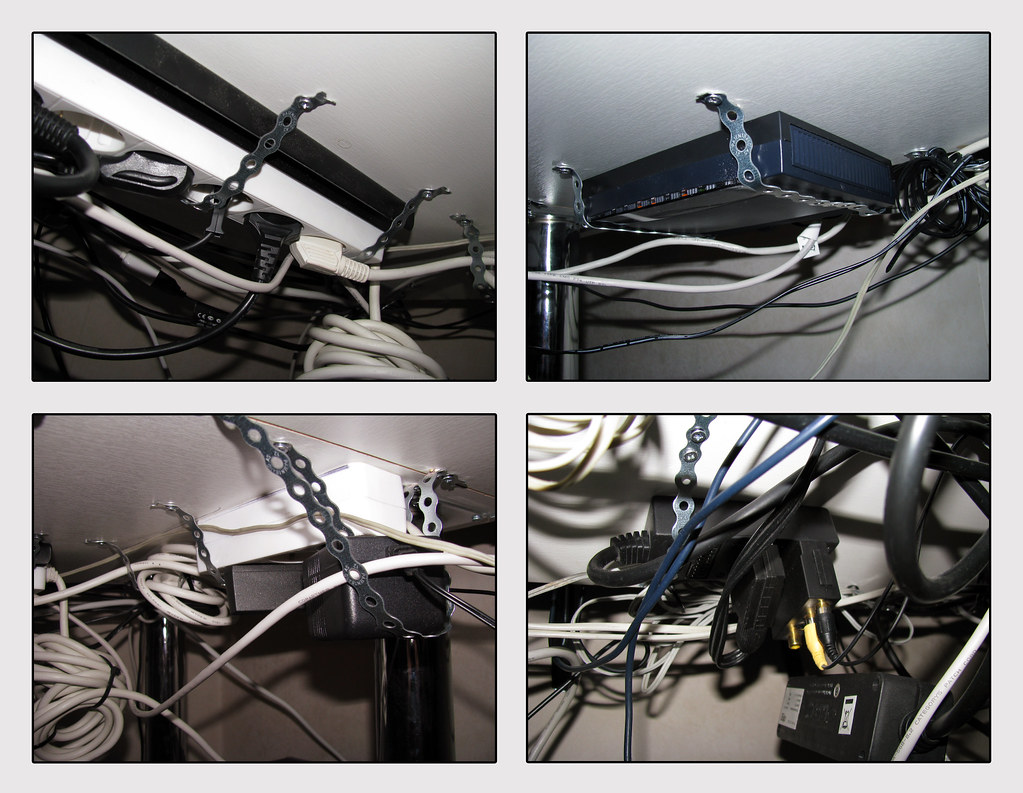
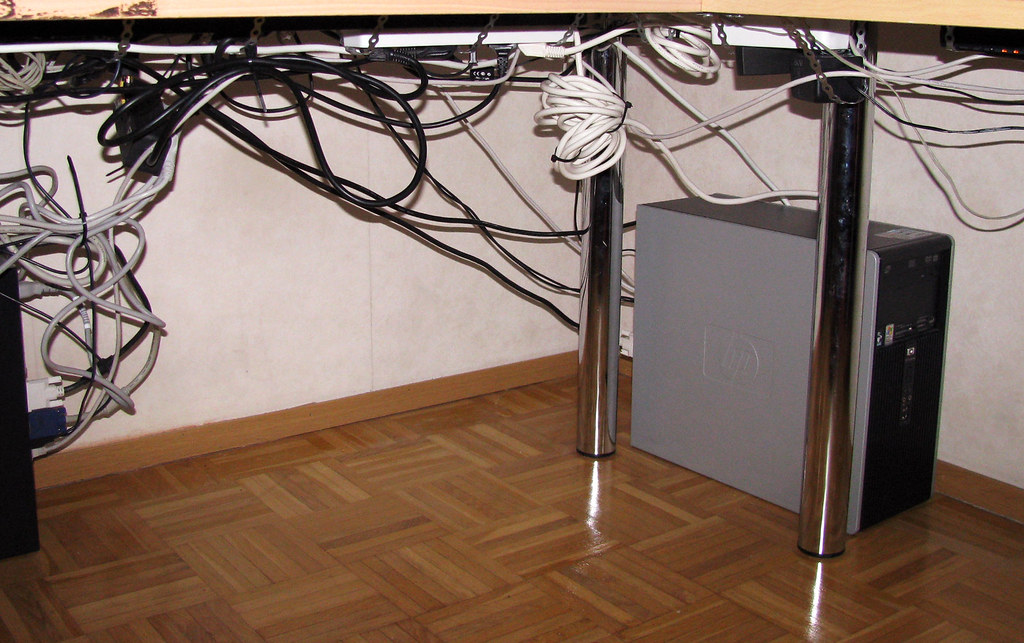
Cable and maintenance impact
Return and warranty risk
Disclosure before commission
Update path when products change
What Deskwise reviews and what we do not claim
Deskwise covers desk setups, ergonomic accessories, lighting, monitor arms, webcams, keyboards, mice, cable control and productivity tools. We write for buyers comparing tradeoffs, not for people seeking medical diagnosis or corporate procurement advice.
When we have direct hands-on use, we say so. When we are writing from product documentation, user-visible specifications and buying criteria, we say that too. We do not invent lab tests, expert titles, long-term durability data or user reviews.
How we judge a product category
We start with the room and user constraints: desk size, body fit, task type, cable path, setup time, maintenance and return risk. A product can be well made and still be wrong for a small desk or shared room.
The best recommendation is not always the most expensive option. We look for the point where an upgrade starts to solve a real problem rather than simply adding polish.

How affiliate links affect the site
Deskwise may earn a commission when readers use affiliate links. That relationship is disclosed on the page and explained in our Affiliate Disclosure. We also follow the spirit of FTC endorsement guidance: readers should be able to understand when commercial links may be present.
Commission does not turn a poor fit into a good fit. Our pages should explain who should skip a product type as clearly as who should consider it.
Why we avoid fake scoring precision
Scores can look authoritative even when the evidence behind them is weak. We avoid fake decimals, fake testing panels and fake expert quotations. When a comparison uses tiers, the criteria behind those tiers must be visible.
For early buying guides, we prefer plain verdicts: best for small desks, best if you move often, skip if the desk is shallow, check return policy first.
How we keep pages current
Product pages, prices and availability change. Deskwise articles are written to focus on durable criteria, but links and examples still need review. We update pages when a category changes, a link breaks or a claim needs clearer wording.
Readers can send corrections to contact@deskwise.online. We review corrections for factual accuracy and update pages when the evidence supports a change.
Deskwise setup notes
Use this guide with real measurements rather than a mental picture of the desk. Measure the surface, the distance to power, the height of the chair when your arms are relaxed, and the space behind the monitor. Those numbers make it easier to reject gear that looks useful but will not fit the room.
Before buying, compare the product against these criteria: Clear fit constraints, Comfort and setup tradeoffs, Cable and maintenance impact, Return and warranty risk. If two options look similar, choose the one with clearer dimensions, simpler returns and fewer assumptions about your room. If a product page hides weight limits, cable lengths or clamp requirements, treat that as a buying risk.
Also check the likely failure points: Treating manufacturer copy as proof, Publishing fake review scores, Ignoring who a product does not fit. These are not edge cases for remote workers. They are common reasons a desk upgrade becomes another object to manage. A good purchase should make the workday easier to reset, clean and adjust.
Measurement and maintenance notes
Before using this workspace basics advice as a shopping list, turn it into a small worksheet. Write down the desk width, desk depth, chair height, distance to the nearest outlet, monitor size, laptop size and the items that must stay on the surface every day. The numbers do not need to be perfect, but they should be real. A measured note beats a memory of how the room feels.
Use the criteria as a filter, not as decoration: Clear fit constraints, Comfort and setup tradeoffs, Cable and maintenance impact, Return and warranty risk, Disclosure before commission, Update path when products change. If a product page does not answer one of those points, pause before buying. Missing information is itself useful information because it tells you what you may need to confirm with the retailer, manufacturer manual or return policy.
Run a one-week trial when possible. Set up the item, work normally, then write down what became easier and what became more annoying. Good desk gear tends to disappear into the routine. Bad desk gear creates a new ritual: moving it aside, charging it constantly, cleaning around it, tightening it, or explaining why it still does not feel right.
Watch for these failure patterns: Treating manufacturer copy as proof; Publishing fake review scores; Ignoring who a product does not fit; Hiding affiliate relationships; Letting old prices or availability appear current without checking. They show up because home offices are mixed-use rooms. A desk may be a work surface during the day, a study spot at night and a storage surface on weekends. Gear that only works in a staged photo can fail when the room returns to normal life.
If you share the workspace with a partner, child, roommate or occasional guest, favor reversible setup choices. Adjustable heights, movable lights, reusable cable ties and products with clear return terms reduce the cost of being wrong. Permanent adhesive routes, oversized furniture and single-purpose accessories should earn their place before they become part of the room.
Mistakes to avoid
- Treating manufacturer copy as proof
- Publishing fake review scores
- Ignoring who a product does not fit
- Hiding affiliate relationships
- Letting old prices or availability appear current without checking
FAQ
Does Deskwise accept paid reviews?
Deskwise does not publish paid positive reviews. If sponsored content is ever accepted, it must be clearly labeled and separated from editorial judgment.
Do affiliate commissions change recommendations?
Affiliate links may support the site, but criteria come before commission. A page should explain limits and skip conditions.
Why do some guides avoid product rankings?
Some categories depend heavily on room size, body fit or return policy. In those cases, criteria can be more useful than a ranked list.
How can readers report an issue?
Email contact@deskwise.online with the page URL, the issue and any source that supports the correction.