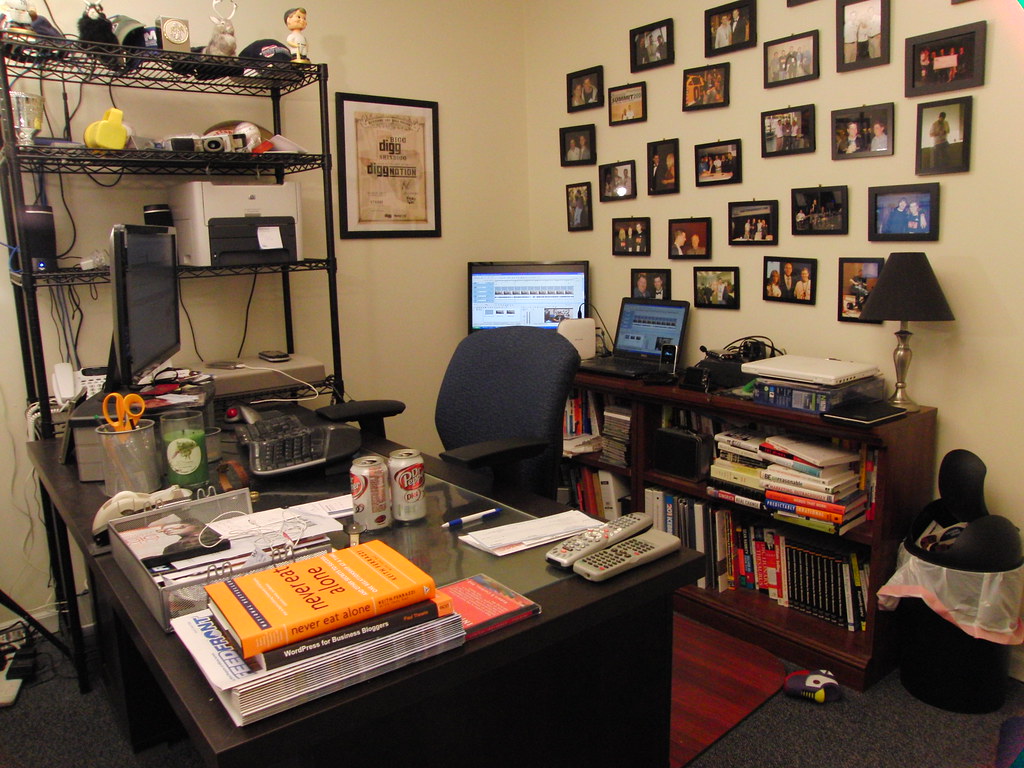
Short answer
A good desk lamp controls glare, lights your face for calls and gives the work surface enough contrast without fighting the monitor.
Buying criteria
Adjustable brightness
Controlled shade or diffuser
Stable color temperature
Placement away from screen glare
Small base or clamp for compact desks
Easy controls you can reach during calls
Think in layers of light
A desk lamp is not only a decorative object. It works with window light, overhead light and monitor brightness. Good lighting reduces contrast swings: the screen should not be the only bright object in the room, and the lamp should not create a hard reflection.
For focused work, the work surface needs enough light for notes and keyboard use. For video calls, the face needs soft front or side light. One lamp can help both jobs if it has dimming and a shade that controls glare.
Brightness control is not optional
A lamp that is comfortable at noon may be too bright at night. Dimming helps the same lamp serve writing, calls and general room light. Touch controls are convenient, but physical knobs can be easier to adjust without looking away during a meeting.
Avoid judging a lamp only by maximum brightness. Minimum brightness, flicker comfort and direction control can matter more during long sessions.
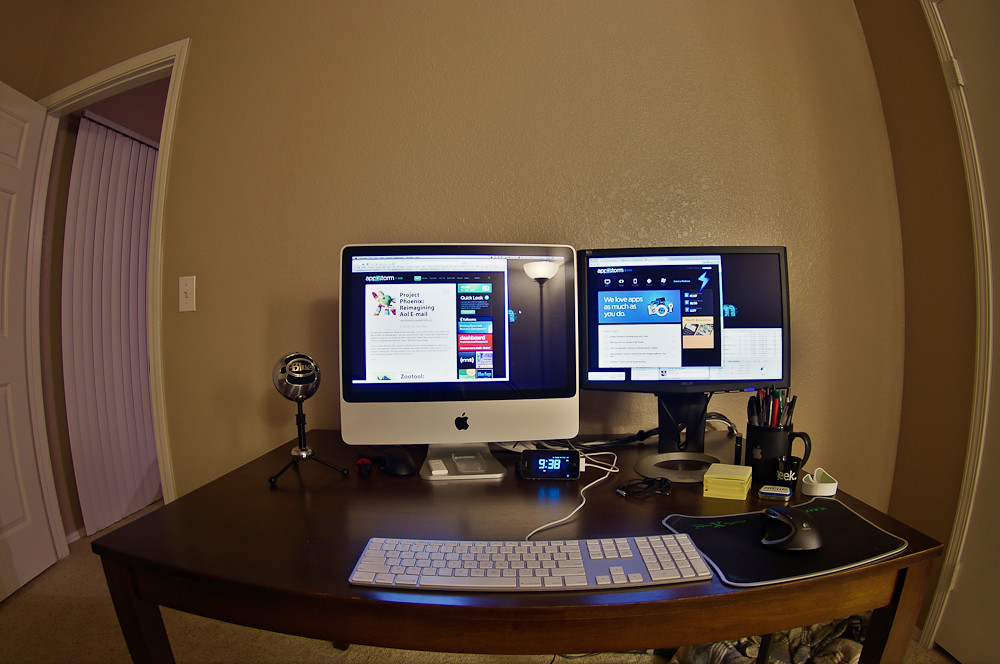
Color temperature should fit the room
Very cool light can make a room feel clinical, while very warm light can make video calls look orange. Many remote workers do well with a neutral setting during the day and a warmer setting in the evening. Adjustable color can help if it does not add confusing controls.
If you already have strong daylight from a window, the lamp may only need to fill shadows. If the room is dark, a larger shade or indirect bounce may be more comfortable than a small bright spot.
Placement prevents glare
Place the lamp so light lands on the desk and face without bouncing into the monitor. Right-handed writers often prefer the lamp on the left so the hand does not cast a shadow, while left-handed writers may prefer the opposite. Video calls may change that position.
For glasses, move the lamp slightly above and to the side rather than straight in front. Small changes can reduce reflections without buying another device.
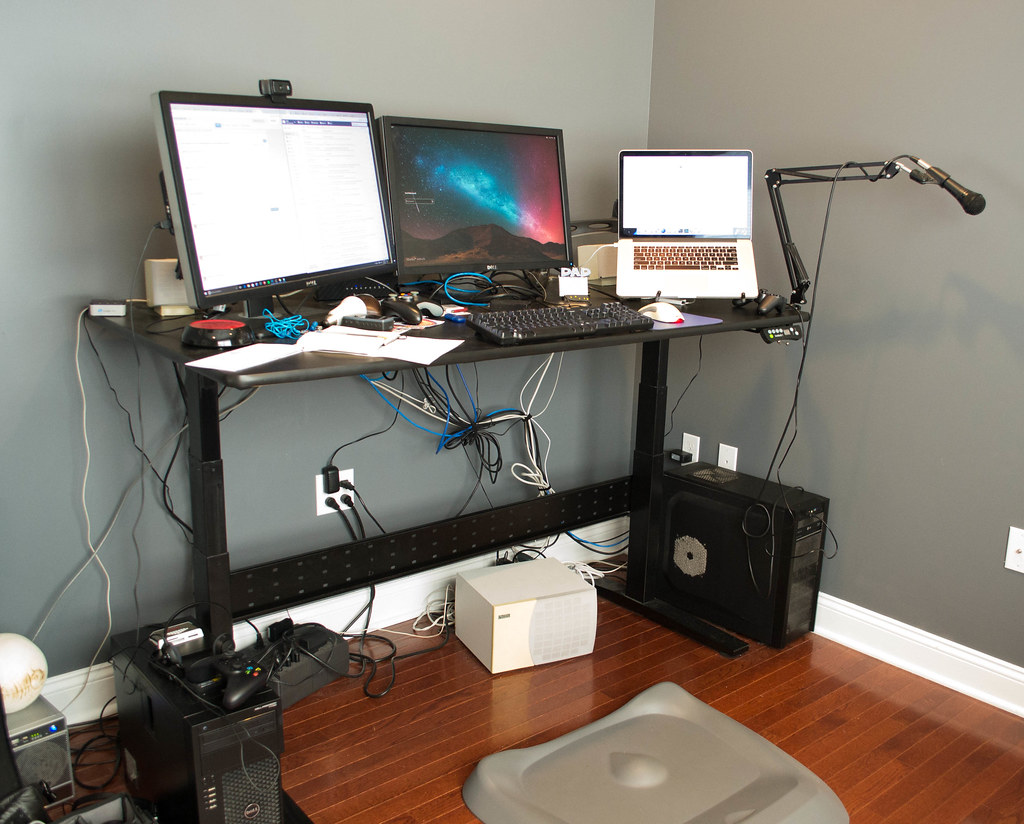
Small desks need clamp or compact bases
A wide lamp base can consume the space you need for mouse movement or paper. Clamp lamps, wall lamps or slim bases work better on compact desks, provided the clamp does not damage the surface.
Check cord length and switch location. A beautiful lamp that requires reaching behind the monitor for every call will become irritating quickly.
Deskwise setup notes
Use this guide with real measurements rather than a mental picture of the desk. Measure the surface, the distance to power, the height of the chair when your arms are relaxed, and the space behind the monitor. Those numbers make it easier to reject gear that looks useful but will not fit the room.
Before buying, compare the product against these criteria: Adjustable brightness, Controlled shade or diffuser, Stable color temperature, Placement away from screen glare. If two options look similar, choose the one with clearer dimensions, simpler returns and fewer assumptions about your room. If a product page hides weight limits, cable lengths or clamp requirements, treat that as a buying risk.
Also check the likely failure points: Pointing a bright lamp at the monitor, Buying a lamp with no dimming, Using a tiny decorative lamp as the main work light. These are not edge cases for remote workers. They are common reasons a desk upgrade becomes another object to manage. A good purchase should make the workday easier to reset, clean and adjust.
Measurement and maintenance notes
Before using this buying guides advice as a shopping list, turn it into a small worksheet. Write down the desk width, desk depth, chair height, distance to the nearest outlet, monitor size, laptop size and the items that must stay on the surface every day. The numbers do not need to be perfect, but they should be real. A measured note beats a memory of how the room feels.
Use the criteria as a filter, not as decoration: Adjustable brightness, Controlled shade or diffuser, Stable color temperature, Placement away from screen glare, Small base or clamp for compact desks, Easy controls you can reach during calls. If a product page does not answer one of those points, pause before buying. Missing information is itself useful information because it tells you what you may need to confirm with the retailer, manufacturer manual or return policy.
Run a one-week trial when possible. Set up the item, work normally, then write down what became easier and what became more annoying. Good desk gear tends to disappear into the routine. Bad desk gear creates a new ritual: moving it aside, charging it constantly, cleaning around it, tightening it, or explaining why it still does not feel right.
Watch for these failure patterns: Pointing a bright lamp at the monitor; Buying a lamp with no dimming; Using a tiny decorative lamp as the main work light; Ignoring reflections on glasses or glossy screens; Choosing a base that steals too much desk space. They show up because home offices are mixed-use rooms. A desk may be a work surface during the day, a study spot at night and a storage surface on weekends. Gear that only works in a staged photo can fail when the room returns to normal life.
If you share the workspace with a partner, child, roommate or occasional guest, favor reversible setup choices. Adjustable heights, movable lights, reusable cable ties and products with clear return terms reduce the cost of being wrong. Permanent adhesive routes, oversized furniture and single-purpose accessories should earn their place before they become part of the room.
Mistakes to avoid
- Pointing a bright lamp at the monitor
- Buying a lamp with no dimming
- Using a tiny decorative lamp as the main work light
- Ignoring reflections on glasses or glossy screens
- Choosing a base that steals too much desk space
FAQ
Is a ring light better than a desk lamp?
A ring light can help video calls, but it is not always useful for desk work. A dimmable lamp with a controlled shade is more flexible for many rooms.
What color temperature should I use?
Neutral white often works for daytime calls. Warmer light can be more comfortable in the evening. Match the lamp to the rest of the room.
Where should a desk lamp sit?
Place it where it lights the surface and face without reflecting in the monitor. Test both sides of the desk before attaching clips.
Do I need smart lighting?
Only if schedules or voice control actually help your routine. Reliable dimming and placement matter more than app features.