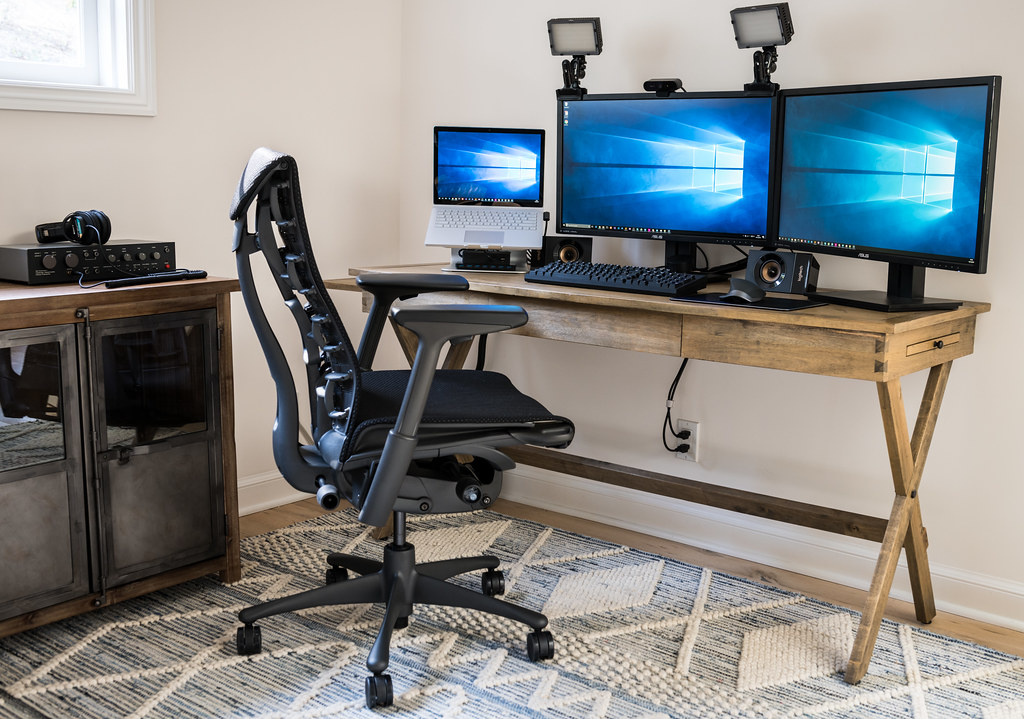
Short answer
Upgrade the item that fixes a real fit problem. A footrest helps when feet do not rest well. Lumbar support helps only if it matches your chair and back. A chair mat protects floors and chair movement.
Buying criteria
Seat height and foot contact
Chair back shape and existing support
Floor material and chair wheel behavior
Desk height relationship
Return policy for body-contact products
Cleaning and durability
Start with the chair and desk relationship
A footrest, chair mat and lumbar support all interact with chair height. If the desk is high, you may raise the chair to keep arms comfortable, then need a footrest so feet are supported. If the chair is low, a footrest may make things worse.
Before buying, set chair height for the keyboard and desk. Then check feet, knees and back support. This order prevents accessories from fighting each other.
Footrests solve foot contact
A footrest makes sense when feet do not rest comfortably on the floor after the chair is set for typing. It should feel stable, wide enough and low enough that knees are not pushed upward.
Adjustable footrests are safer for shared desks. Fixed angled rests can work, but only if the angle fits your seat height and leg length.
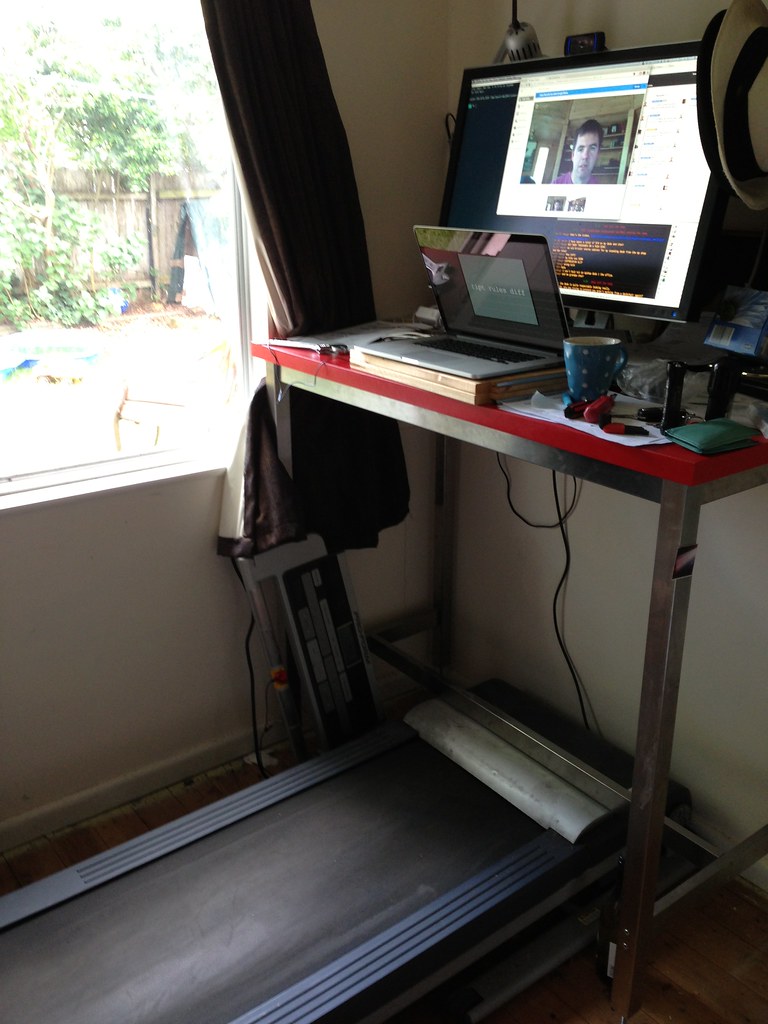
Lumbar support is not one-size-fits-all
A lumbar cushion can improve a flat chair, but it can also push you too far forward. The shape must match the chair back and your sitting position. Soft pillows may collapse, while firm supports may feel intrusive.
Do not treat lumbar support as proof of ergonomic quality. It is a fit tool. If it does not fit, it is clutter.
Chair mats protect movement and floors
A chair mat is mainly about floor protection and smooth rolling. On thick carpet, a firm mat can reduce effort. On hard floors, the mat should not slide or curl. Measure the movement area, not only the chair footprint.
Check caster type too. Some floors do better with different casters than with a large mat.

What to upgrade first
If feet hang or press awkwardly, start with a footrest. If the chair rolls poorly or damages the floor, start with the mat. If the chair back lacks support but otherwise fits, try lumbar support with a return option.
If several problems show at once, pause before buying. The chair or desk height may be the real source.
Deskwise setup notes
Use this guide with real measurements rather than a mental picture of the desk. Measure the surface, the distance to power, the height of the chair when your arms are relaxed, and the space behind the monitor. Those numbers make it easier to reject gear that looks useful but will not fit the room.
Before buying, compare the product against these criteria: Seat height and foot contact, Chair back shape and existing support, Floor material and chair wheel behavior, Desk height relationship. If two options look similar, choose the one with clearer dimensions, simpler returns and fewer assumptions about your room. If a product page hides weight limits, cable lengths or clamp requirements, treat that as a buying risk.
Also check the likely failure points: Using lumbar pillows to fix a chair that is the wrong size, Buying a chair mat that curls or slides, Choosing a footrest too high for the desk. These are not edge cases for remote workers. They are common reasons a desk upgrade becomes another object to manage. A good purchase should make the workday easier to reset, clean and adjust.
Measurement and maintenance notes
Before using this ergonomics advice as a shopping list, turn it into a small worksheet. Write down the desk width, desk depth, chair height, distance to the nearest outlet, monitor size, laptop size and the items that must stay on the surface every day. The numbers do not need to be perfect, but they should be real. A measured note beats a memory of how the room feels.
Use the criteria as a filter, not as decoration: Seat height and foot contact, Chair back shape and existing support, Floor material and chair wheel behavior, Desk height relationship, Return policy for body-contact products, Cleaning and durability. If a product page does not answer one of those points, pause before buying. Missing information is itself useful information because it tells you what you may need to confirm with the retailer, manufacturer manual or return policy.
Run a one-week trial when possible. Set up the item, work normally, then write down what became easier and what became more annoying. Good desk gear tends to disappear into the routine. Bad desk gear creates a new ritual: moving it aside, charging it constantly, cleaning around it, tightening it, or explaining why it still does not feel right.
Watch for these failure patterns: Using lumbar pillows to fix a chair that is the wrong size; Buying a chair mat that curls or slides; Choosing a footrest too high for the desk; Ignoring casters and floor type; Stacking supports until the chair no longer fits. They show up because home offices are mixed-use rooms. A desk may be a work surface during the day, a study spot at night and a storage surface on weekends. Gear that only works in a staged photo can fail when the room returns to normal life.
If you share the workspace with a partner, child, roommate or occasional guest, favor reversible setup choices. Adjustable heights, movable lights, reusable cable ties and products with clear return terms reduce the cost of being wrong. Permanent adhesive routes, oversized furniture and single-purpose accessories should earn their place before they become part of the room.
Mistakes to avoid
- Using lumbar pillows to fix a chair that is the wrong size
- Buying a chair mat that curls or slides
- Choosing a footrest too high for the desk
- Ignoring casters and floor type
- Stacking supports until the chair no longer fits
FAQ
Do I need a footrest if my feet touch the floor?
Not usually. A footrest helps when chair height needed for the desk leaves feet unsupported.
Can lumbar support fix a bad chair?
It can improve some chairs, but it cannot fix poor seat depth, unstable construction or a chair that is the wrong size.
Are glass chair mats worth it?
They can be stable and durable, but they are heavy and expensive. Check floor type, edges and delivery risk.
What should I upgrade first for back comfort?
Start with chair fit, desk height and movement habits. Then consider lumbar support if the chair lacks the right back shape.