Short answer
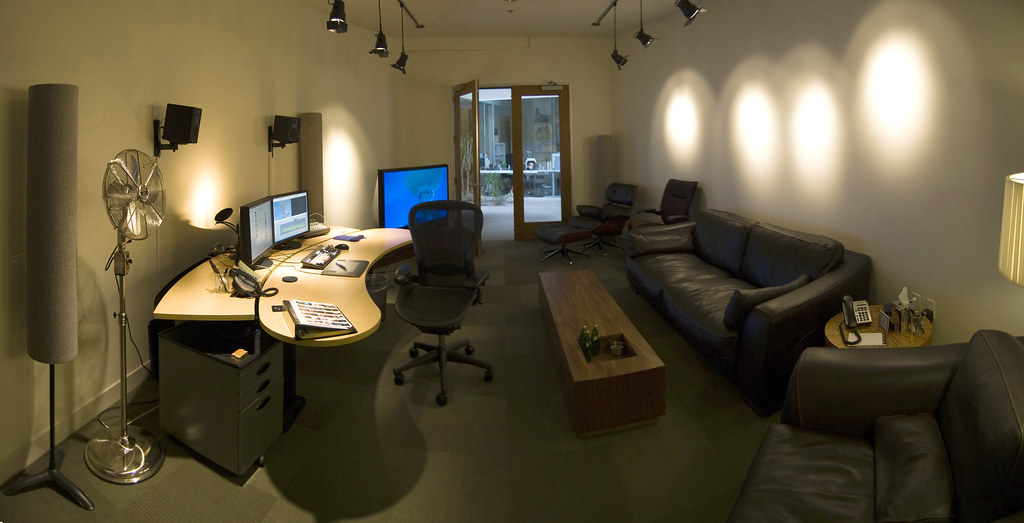
A living-room office needs boundaries more than office furniture. Choose a desk depth that leaves walking space, route cables so the room is safe after work, use lighting that works for calls and evenings, and create a closing routine that returns the room to home mode.
A living-room desk is visible all day, even when work is finished. That changes the buying criteria. The setup has to support work and also stop work from spilling across the room.
The best apartment desk is usually compact, serviceable and easy to reset. It should not block windows, heating, doors, seating or the path through the room.
Buying criteria
Walking path around the desk
Cable safety after work
Storage for laptop and papers
Lighting for calls and evenings
Camera background and privacy
End-of-day room reset
Protect the walking path
The desk can fit and still make the room feel cramped if the chair blocks a normal route.
For a living room work corner, the useful question is not whether the product looks tidy in a photo. It is whether it leaves enough room for the work that happens at this desk every day. Check chair pull-back first, then check sofa path. If either one is awkward, a more expensive version of the same item will usually stay awkward.
Buy for the smallest surface that supports the real work. Do not buy for the spec line alone. Product pages can change, bundles can change and small parts such as clamps, screws, cable ends or pads may decide whether the item works on your desk. Keep the packaging until you have used it through at least one real workday.
Red flag: the chair must be moved every time someone crosses the room. When that shows up, step back and solve the constraint rather than adding another accessory on top of it.
Hide only what remains accessible
Cables should look calm without becoming impossible to change.
A practical check is to set the desk up with the things you already own and mark what actually moves during a work session. Watch wall outlet reach, cable sleeve and power switch access. The product only earns a place if it reduces one of those movements or makes the work area easier to reset.
Buy for cable routes that can be opened and serviced. Do not buy for the spec line alone. Product pages can change, bundles can change and small parts such as clamps, screws, cable ends or pads may decide whether the item works on your desk. Keep the packaging until you have used it through at least one real workday.
Red flag: the room looks tidy but unplugging the laptop is a chore. When that shows up, step back and solve the constraint rather than adding another accessory on top of it.
Use closed storage sparingly
Living rooms benefit from storage that hides visual noise, but daily tools still need reach.
The risky version of this purchase is the one that solves a showroom problem, not your desk problem. Compare laptop shelf, paper tray and headphone hook before you compare finishes. A plain item with the right fit will beat a neat-looking item that forces your shoulders, wrists or cables into a bad position.
Buy for one visible daily tray and one closed occasional storage spot. Do not buy for the spec line alone. Product pages can change, bundles can change and small parts such as clamps, screws, cable ends or pads may decide whether the item works on your desk. Keep the packaging until you have used it through at least one real workday.
Red flag: every call requires searching a cabinet. When that shows up, step back and solve the constraint rather than adding another accessory on top of it.
Control the camera view
The background should be predictable, not staged for strangers.
For a living room work corner, the useful question is not whether the product looks tidy in a photo. It is whether it leaves enough room for the work that happens at this desk every day. Check window behind you first, then check family photos. If either one is awkward, a more expensive version of the same item will usually stay awkward.
Buy for a camera direction that works on normal days. Do not buy for the spec line alone. Product pages can change, bundles can change and small parts such as clamps, screws, cable ends or pads may decide whether the item works on your desk. Keep the packaging until you have used it through at least one real workday.
Red flag: you change the room before every call. When that shows up, step back and solve the constraint rather than adding another accessory on top of it.
Choose lighting for two modes
The same lamp may need to support work focus and relaxed evening use.
A practical check is to set the desk up with the things you already own and mark what actually moves during a work session. Watch shade direction, dimming and screen reflection. The product only earns a place if it reduces one of those movements or makes the work area easier to reset.
Buy for adjustable light that can be aimed down and away from screens. Do not buy for the spec line alone. Product pages can change, bundles can change and small parts such as clamps, screws, cable ends or pads may decide whether the item works on your desk. Keep the packaging until you have used it through at least one real workday.
Red flag: the work light makes the living room harsh after hours. When that shows up, step back and solve the constraint rather than adding another accessory on top of it.
Close the office daily
The desk should have an end-of-day state so the room stops feeling like work.
The risky version of this purchase is the one that solves a showroom problem, not your desk problem. Compare laptop storage, notebook home and chair tuck-in before you compare finishes. A plain item with the right fit will beat a neat-looking item that forces your shoulders, wrists or cables into a bad position.
Buy for a reset habit before another organizer. Do not buy for the spec line alone. Product pages can change, bundles can change and small parts such as clamps, screws, cable ends or pads may decide whether the item works on your desk. Keep the packaging until you have used it through at least one real workday.
Maintenance matters here. Make the closing routine short enough to do when tired. A setup that is easy to wipe, unplug, move or label is more likely to stay useful after the first tidy-up.
Red flag: work remains visually open all evening. When that shows up, step back and solve the constraint rather than adding another accessory on top of it.
Source notes
We link to public guidance when it helps with ergonomics, safety, disclosure or workstation setup. We do not turn those references into medical, legal or electrical advice.
Mistakes to avoid
- Choosing a desk that blocks the room's main path.
- Hiding cables so well that daily unplugging becomes annoying.
- Using open shelves for every work item in a room meant to relax.
- Letting the call background require constant staging.
FAQ
What size desk works in a living room?
Use the smallest desk that supports your monitor, keyboard and notes while leaving chair and walking space. Depth matters as much as width.
How do I make a desk less visible after work?
Create a closing routine: store the laptop or notebook, return cables, tuck in the chair and clear the active surface.
Should I use a folding desk?
A folding desk can work for light laptop tasks, but check stability, cable handling and where the gear goes when folded.
How do I handle calls in a living room?
Pick a camera direction, control backlight from windows, use headphones and keep the background normal but not distracting.